


SLA 3D Printer
Printing Efficiency: 1.3 times faster than standard SLA printers, capable of printing 55kg of material per day.
Precision Parameters: Vertical resolution of 0.0005mm, repeat positioning accuracy of ±0.01mm, dimensional accuracy of ±0.05/100mm.
Laser Type: Solid-state laser Nd:YV04
Suitable Printing Material Properties: High toughness, high temperature resistance, high transparency, compatible with various printing materials.
File Types: STL, SLC slicing.
Description
Technical Parameters
SLA 3D printer is an important equipment in the field of photocuring 3D printing. It is based on stereolithography technology, which uses a specific wavelength laser to scan the liquid photosensitive resin point by point to solidify it layer by layer. This S600 SLA 3D printer has high molding accuracy, can produce complex and fine structures, and has excellent surface finish. The whole machine has high configuration, large working window, and user-friendly operation; some parts can accommodate PC terminals, and have the advantages of larger molding size and lower support density compared to traditional DLP technology.
Function characteristics
Large-size printing space:
600×600×420mm, improving production efficiency and flexible adaptation capabilities. Accuracy level 0.05mm, suitable for precision parts and complex structure manufacturing.
Patented variable spot technology:
equipped with an autonomous spot adjustment system to achieve efficiency improvement and production mode switching, meeting the needs of product development cycles.
Intelligent negative pressure coating system:
\automatic leveling of the liquid surface, layer thickness control accuracy 0.05mm, to ensure the uniformity of the molding surface.
Industrial-grade control interface:
equipped with a large-size LCD touch screen, clear interactive logic, and adaptable to multi-level user operation habits.
Full material adaptation solution: supports transparent materials/full color spectrum/high temperature resistant substrates/high-toughness resins, covering the physical property requirements of multiple industries.

| Laser type | Solid-state Laser Nd:YV04 |
| Wavelength | UV λ=355nm |
| Mini.Power | 350mv(Actual) |
| Spot diameter | 0.1-0.2(Variable) |
| Scanning mode | Scancube10(Import) |
| Selected domestic | |
| Part scanning speed | 10.0m/s |
| Part jump speed | 10.0m/s |
| Control system | 3D Printer.exe |
| File type | STL,SLC slicing |
| Coating method | Intelligent positioning vacuum coating |
| Normal layer thickness | 0.1mm |
| Quick production layer thickness | 0.125mm |
| Vertical resolution | 0.0005mm |
| Repeated positioning accuracy | ±0.01mm |
| Dimensional accuracy | ±0.05/100mm |
application of industrial sLA 3D printer
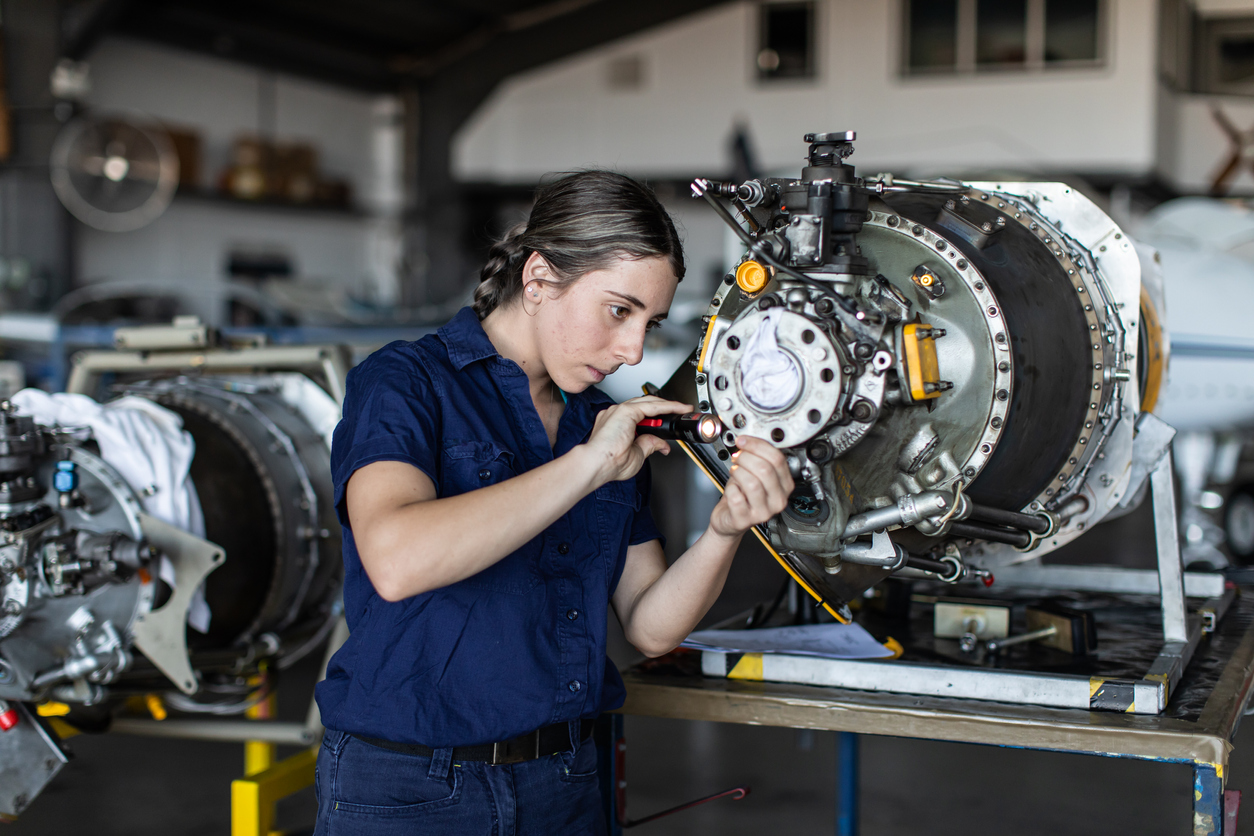



Aerospace:
SLA 3D printing technology manufactures complex parts (such as turbine blades and spacecraft parts) with ultra-high precision, optimizes aerodynamics and performance, accelerates the R&D cycle, and helps achieve breakthroughs in lightweight and high performance.
Medical field:
Customize surgical models (such as skull repair) and personalized instruments (such as crowns) through patient data to improve surgical accuracy and safety, and promote the development of precision medicine and rapid diagnosis and treatment.
Jewelry design:
Break through the limitations of traditional craftsmanship, accurately present complex textures and hollow structures (such as exotic necklaces and symbolic rings), achieve rapid iteration of creativity, and shorten the cycle from design to finished product.
Industrial design:
Rapidly prototype product appearance and structure (such as car models, electronic devices), optimize design verification and assembly testing, support customized parts production, and accelerate market response and innovation.
The Working Principle of SLA 3D Printers
Principle of photocuring
SLA 3D printers use the property of photosensitive resin to undergo photopolymerization under ultraviolet light of a specific wavelength, and quickly transform from liquid to solid, to achieve layer-by-layer printing.
Layered slicing
Create a three-dimensional model through computer-aided design (CAD) software, and then import the model into the control system of the SLA printer. The control system will perform layered slicing on the model and convert the three-dimensional model into a series of two-dimensional slices.
Laser scanning and curing
Under the control of the scanning system, the ultraviolet laser beam inside the printer accurately scans the surface of the liquid photosensitive resin according to the contour information of the slice. The photosensitive resin will cure rapidly where the laser irradiates.
Position control and feedback
After completing the scanning and curing of one layer, the printing platform will drop the thickness of a slice, and then perform laser scanning and curing on the surface of the liquid resin again, and the new layer will be firmly bonded to the previous layer. Finally, a complete three-dimensional solid model is formed.


FAQ
1. What materials can be used with SLA 3D printers?
SLA printers mainly use photosensitive resins, which come in many types, such as general-purpose resins for making prototypes with good mechanical properties, dental resins for making dental models with biocompatibility requirements, and high-temperature resistant resins for applications that need to withstand certain temperatures.
2. What is the accuracy that SLA 3D printers can achieve?
Layer thicknesses as thin as 0.05 - 0.1mm can usually be achieved. For small-sized parts, the overall dimensional accuracy of the printed parts can reach ±0.1mm. But the accuracy may be affected by factors such as the complexity of the model, the quality of the resin, and the stability of the printer.
3. How long does it take to print a model using an SLA printer?
The printing time depends on a variety of factors. For a small, simple model of about 5 - 10 cm in height, it may take several hours. But for a large, complex model, it may take more than 24 hours. The printing time is related to the volume of the model, the set layer thickness (the thinner the layer, the longer the printing time), and the scanning speed of the laser.
4. Does the printed part require post-processing?
Yes, after printing, the parts need to be removed from the build platform. They are then typically washed in a solvent to remove uncured resin from the surface. They may need to be cured longer under a UV light source to ensure complete polymerization, which can improve the mechanical properties of the part.
Hot Tags: sla 3d printer, China, suppliers, manufacturers, factory, custom, wholesale
Previous
SLA 3d Resin PrinterNext
Jewelry 3dSend Inquiry


