


SLA 3d Resin Printer
Printing Efficiency: 1.3 times faster than standard SLA printers, capable of printing 55kg of material per day.
Precision Parameters: Vertical resolution of 0.0005mm, repeat positioning accuracy of ±0.01mm, dimensional accuracy of ±0.05/100mm.
Laser Type: Solid-state laser Nd:YV04
Suitable Printing Material Properties: High toughness, high temperature resistance, high transparency, compatible with various printing materials.
File Types: STL, SLC slicing.
Description
Technical Parameters
The SLA 3D resin printer is a powerful device. It is based on the principle of photocuring. After using the CAD design model, it solidifies the liquid photosensitive resin through laser scanning, and stacks layers to form a three-dimensional workpiece. As the earliest commercialized, in-depth research, and widely used rapid prototyping technology, it is highly mature. It has the advantages of fast molding speed, high precision, and smooth surface, and can process prototypes and molds with complex structures. It can be applied to many fields, such as design verification of home appliances and communication products, trial production of special parts in aerospace, instrument design in the medical field, surgical simulation, etc., to help the innovation and development of various industries.
Function characteristics
Ultra-large molding space:
600×600×420mm printing space, suitable for large workpieces and batch production, meet multi-scenario manufacturing needs, and improve production efficiency.
Ultra-high precision:
The precision reaches 0.05mm, which is suitable for precision parts and complex structure molding, meeting strict precision requirements.
Patented variable spot technology:
Exclusive patent, autonomous spot adjustment, switch spot size on demand, balance efficiency and precision, shorten product development cycle.
Intelligent negative pressure coating system:
With automatic liquid leveling function, layer thickness control accuracy of 0.05mm, ensure uniform molding surface and improve product quality.
Industrial-grade control interface:
Large-size LCD touch screen, clear interactive logic, adapt to different user operating habits, reduce errors and improve efficiency.

| Laser type | Solid-state Laser Nd:YV04 |
| Wavelength | UV λ=355nm |
| Mini.Power | 350mv(Actual) |
| Spot diameter | 0.1-0.2(Variable) |
| Scanning mode | Scancube10(Import) |
| Selected domestic | |
| Part scanning speed | 10.0m/s |
| Part jump speed | 10.0m/s |
| Control system | 3D Printer.exe |
| File type | STL,SLC slicing |
| Coating method | Intelligent positioning vacuum coating |
| Normal layer thickness | 0.1mm |
| Quick production layer thickness | 0.125mm |
| Vertical resolution | 0.0005mm |
| Repeated positioning accuracy | ±0.01mm |
| Dimensional accuracy | ±0.05/100mm |
What is the difference between SLA and FDM 3D printer?
SLA and FDM are two common 3D printing technologies. Compared with FDM printers, SLA printers have significant advantages:
1. Higher resolution:
SLA can reach tens of microns or even higher precision, and can usually reach about 25 microns, which is convenient for printing high-precision items such as jewelry models and micro parts; FDM precision is generally above 100 microns, and printing fine structures is easy to blur.
2. Smoother surface:
SLA uses photocurable resin for printing, with low surface roughness, suitable for scenes with high surface requirements such as artworks and molds, without too much post-processing; FDM prints are stacked with filamentary materials, with obvious lines between layers and rough surfaces.
3. Richer materials:
SLA has a variety of options such as general resins, engineering resins, and biocompatible resins to meet the needs of different industries; FDM mainly uses thermoplastics such as PLA and ABS, and the variety of materials and performance is insufficient.
4. High material utilization rate:
SLA uncured resin can be recycled and reused to reduce waste; FDM has material loss when starting, shutting down and changing materials, and the utilization rate is low.
5. Fast overall speed:
When printing complex shapes, SLA does not require additional support structures, liquid resin can provide natural support, and printing is smooth, especially suitable for models with complex internal structures and overhanging parts; FDM needs to consider support issues.
6. Detail performance:
SLA can accurately restore model details such as fine textures, thin-walled structures and small functions; FDM is limited by material fluidity and stacking methods, and the detail performance is poor.
application of SLA 3D resin printer
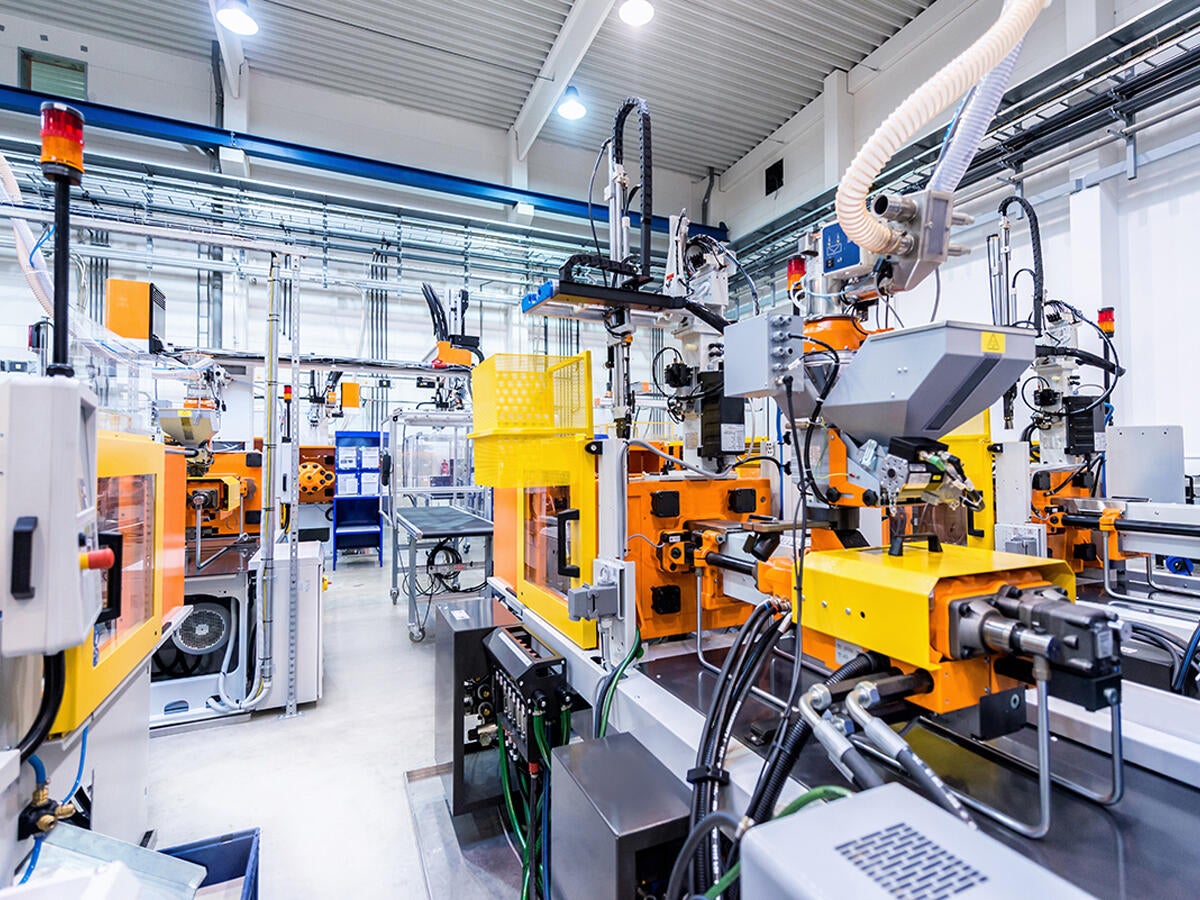


Industrial:The automotive industry creates custom tools, fixtures and jigs for vehicle assembly and enables rapid prototyping of new parts, reducing development time and costs. In the aerospace industry, manufactures complex lightweight parts with high strength-to-weight ratios and complex geometries.
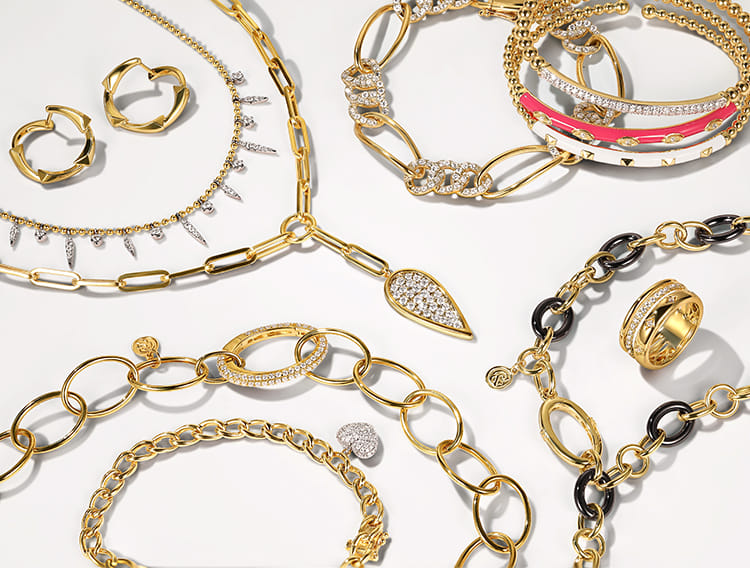
Jewelry: Brings creativity and efficiency. The ability to create detailed wax or resin models for lost wax casting allows designers to experiment with designs. Facilitates rapid prototyping for timely customer feedback and reduces time and costs compared to traditional techniques.
Medical: Produces custom prostheses and orthotics based on the patient's unique anatomy to improve comfort and functionality. Aids in surgical planning and training by 3D printing a patient's organs or anatomical structures. Creates medical education models for hands-on learning.
Culture and Art:
Artists use them to transform digital art into physical objects and have the freedom to use different resins. Museums use them for artifact restoration and reproduction, preserving cultural heritage and creating display replicas.


FAQ
1.How accurate can this SLA 3D resin printer be?
The accuracy of different models of SLA 3D resin printers varies. Generally speaking, the accuracy of high-precision equipment can reach about 0.025-0.1mm, which can meet the needs of more delicate model making, such as jewelry models, dental models, etc.
2.What types of 3D resins can this printer use?
Usually, many types of 3D resins can be used, such as the common UV 405nm wavelength cured resin, and there are materials suitable for different purposes, such as special resins for shoe models, dental models, and jewelry models. Some synthetic resins and plastic 3D resins can also be adapted.
3.What is the price of the SLA 3D printer and what is the cost of later use?
The price varies greatly depending on the brand, model, and function, ranging from a few thousand yuan to tens of thousands of yuan. The cost of later use mainly lies in the consumption of resin materials. The prices of resins of different qualities and uses are different. In addition, it also involves the maintenance costs of equipment, such as regular replacement of some parts, etc. If you need a quote, please contact us immediately.
4.What are some well-known SLA 3D printers and where are they made?
There are many well-known brands on the market, such as some from China, such as Guangdong KS and Zhejiang Jiaxing Xinshan Technology. Different brands have their own characteristics and advantages. When choosing, you can consider them comprehensively according to your own needs and budget.
5.How long will it take to deliver after purchasing, and what are the packaging specifications?
The delivery time is usually around 4-5 working days, but this may vary depending on the specific situation and supplier. In terms of packaging, taking a single product as an example, the packaging size may be 8X8X19cm and the weight is about 0.660kg. When purchasing in bulk, the packaging will be adjusted according to the actual order situation.
Hot Tags: sla 3d resin printer, China, suppliers, manufacturers, factory, custom, wholesale
Previous
3D Printer SlaNext
SLA 3D PrinterSend Inquiry


