

Choosing A 5 Axis CNC For Small Workshop Production
May 20, 2026
Leave a message
Unlocking enterprise-grade manufacturing capabilities within a compact footprint-how to scale your small business through smart hardware investment.
The Paradigm Shift in Small-Batch Manufacturing
In the traditional manufacturing landscape, five-axis machining was the exclusive domain of large-scale aerospace and automotive giants. However, the emergence of high-precision, compact 5-axis CNC machines has completely disrupted this hierarchy. For small-to-medium workshops, the decision to pivot to 5-axis technology is not merely an equipment upgrade-it is a strategic move to reclaim competitive dominance.
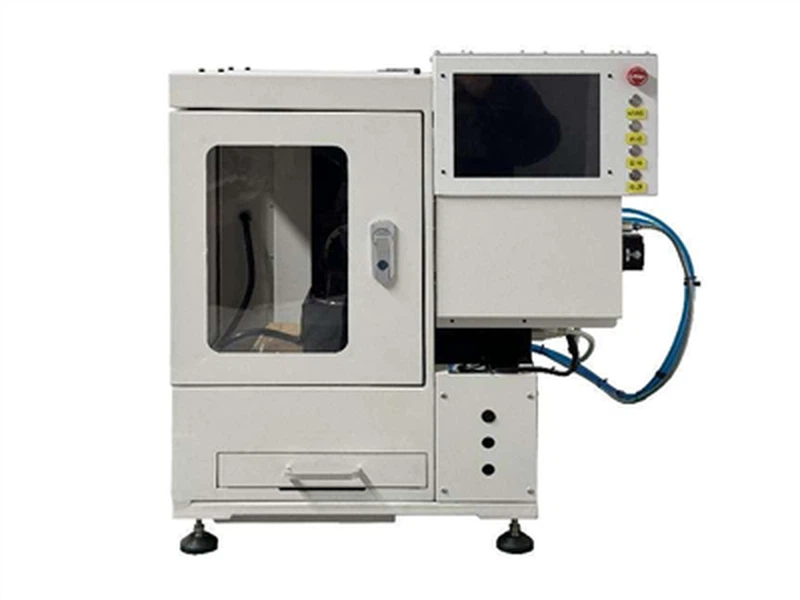
Defining "Small Workshop" Requirements
A small workshop differs from a production plant in its need for agility. You aren't processing thousands of identical parts; you are likely handling high-mix, low-volume, high-complexity components.
Footprint Efficiency
Maximize production density. Compact 5-axis machines with integrated thermal compensation ensure you don't trade accuracy for space.
Controller Versatility
Prioritize controllers that your team understands. User-friendly interfaces are the biggest factor in reducing setup time.
The Technical Pillars of Selection
Investing in 5-axis technology requires looking beyond the price tag. Three main factors differentiate a machine that will yield profit from one that becomes a liability:
- Kinematic Rigidity: Can the trunnion table handle your heaviest raw material without deflection?
- Software Integration: Seamless CAD/CAM workflow is essential. If your team can't simulate paths efficiently, efficiency gains are lost.
- After-Sales Support: For a small shop, 24 hours of downtime is catastrophic. Verify local service presence.